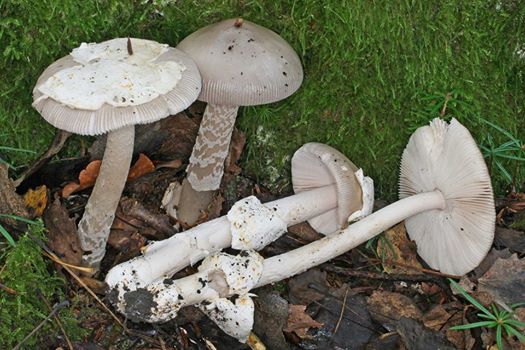

| name | Amanita simulans | ||||||||||||||||||||||||||||||||||||||||||||||||||||||||||||||||||||||||||||||||
| author | Contu, M. 1999. Bollettino della Accademia Gioenia di Scienze Naturali 356: 11. | ||||||||||||||||||||||||||||||||||||||||||||||||||||||||||||||||||||||||||||||||
| name status | nomen acceptum | ||||||||||||||||||||||||||||||||||||||||||||||||||||||||||||||||||||||||||||||||
| MycoBank nos. | 529907 | ||||||||||||||||||||||||||||||||||||||||||||||||||||||||||||||||||||||||||||||||
| GenBank nos. |
Due to delays in data processing at GenBank, some accession numbers may lead to unreleased (pending) pages.
These pages will eventually be made live, so try again later. Search:
Showing 1 to 16 of 16 entries | ||||||||||||||||||||||||||||||||||||||||||||||||||||||||||||||||||||||||||||||||
| neotypifications | double click in markup mode to edit. | ||||||||||||||||||||||||||||||||||||||||||||||||||||||||||||||||||||||||||||||||
| revisions | Hanss & Moreau (2020 [2017]) provide molecular and phylogenetic information. | ||||||||||||||||||||||||||||||||||||||||||||||||||||||||||||||||||||||||||||||||
| partial veil | absent. | ||||||||||||||||||||||||||||||||||||||||||||||||||||||||||||||||||||||||||||||||
| lamella edge tissue | sterile. | ||||||||||||||||||||||||||||||||||||||||||||||||||||||||||||||||||||||||||||||||
| ecology | France: Under Abies alba and Populus tremula or under Quercus robur and Carpinus betulus or under Populus nigra. Italy: with Pseudotsuga menzies (introduced) and Pinus jeffreyi (introduced). | ||||||||||||||||||||||||||||||||||||||||||||||||||||||||||||||||||||||||||||||||
| material examined | FRANCE: DORDOGNE—Commune de Notre-Dame-de Sanilhac, forêt de La Gauderie, 10.ix.2011 Guillaume Eyssartier 11-039 (RET 821-7, nrITS & nrLSU seq'd.). Commune de Trélissac - forêt domaniale de Lanmary,8.xi.2014 G. Eyssartier 14-014 (RET 821-2, nrITS & nrLSU seq'd.). GIRONDE—Caudéran, 10.xi.1997 G. Garbaye s.n. [F. Massart 97066] (herb. Masart; RET 273-3, nrITS-LSU seq'd.). Gradignon-Mondavit, 23.x.2000 Francis Massart 20007 (RET 342-6, nrITS & nrLSU seq'd.). ITALY: COSENZA—Crista d’Acri, 26.ix.2005 Carmine Lavorato 050926-03, (RET 428-2, nrLSU seq'd.); Celioc, Midilli [1200 m], 7.x.2006 C. Lavorato 061007-04 (RET 406-2, nrITS-LSU seq'd.). RUSSIA: NOVOSIBIRSK REGION—Novosibirsk District - Akademgorodok, Centr. Siberian Bot. Gard., Siberian Branch, Russian Acad. Sci. [54.8245º N/ 83.1085º E, 39 m], 19.viii.2017 Tatiana Bulyonkova 4130 (RET 899-7, nrITS-LSU seq'd.); Akademgorodok, United Inst. Geol. Geophys. Mineral., Siberian Branch, Russian Acad. Sci., tennis courts [54.8447º N/ 83.1064º E, 171 m], 26.vii.2011 Tatiana Bulyonkova 1178 (RET 897-8, LSU seq'd.); Akademgorodok, ca. 8 Pravdy St. [54.8398º N/ 83.1036º E, 174 m], 13.iv.2018 Tatiana Bulyonkova 4459 (RET 898-4, nrITS-LSU seq'd.); Akademgorodok, S of Akademicheskaya St., 31.vii.2016 Tatiana Bulyonkova 3954 (RET 899-2, nrLSU seq'd.). SPAIN: UNKN. PROV.—unkn. loc., 21.ix.2019 P. Villalonga PV19092102 (RET 883-7, nrITS-LSU seq'd.), 20.vi.1997 Guillermo Muñoz Gonzalez 187 (RET 901-6, nrLSU seq'd.), 1.vi.2008 G. Muñoz Gonzalez 1252 (RET 902-7, nrLSU seq'd.)., 9.xi.2008 G. Muñoz Gonzalez 1441 (RET 902-2, nrLSU seq'd.), s.d.Tomas Tomas Illescas Ferrezuelo 1626 (RET 889-2, nrLSU seq'd.), . s.d. T. Illescas Ferrezuelo 0349? (as "subnudipes cf.," RET 889-7, nrITS-LSU seq'd.). | ||||||||||||||||||||||||||||||||||||||||||||||||||||||||||||||||||||||||||||||||
| citations | —R. E. Tulloss | ||||||||||||||||||||||||||||||||||||||||||||||||||||||||||||||||||||||||||||||||
| editors | RET | ||||||||||||||||||||||||||||||||||||||||||||||||||||||||||||||||||||||||||||||||
Information to support the viewer in reading the content of "technical" tabs can be found here.
 Spore data sets and their composite
Each spore data set is intended to comprise a set of measurements from a single specimen made by a single observer; and explanations prepared for this site talk about specimen-observer pairs associated with each data set. Combining more data into a single data set is non-optimal because it obscures observer differences (which may be valuable for instructional purposes, for example) and may obscure instances in which a single collection inadvertently contains a mixture of taxa.

Text and User-Generated Sporographs are published under the Creative Commons License.

In the case of a taxon page, image credits are on the 'image' tab.